
Types of Succulents
Learn about the beautiful succulent varieties we use in our gifts — each one hand-selected for health, beauty, and longevity.
Our Succulent Varieties
Healthy, locally grown succulents — each one hand-selected for your gift.
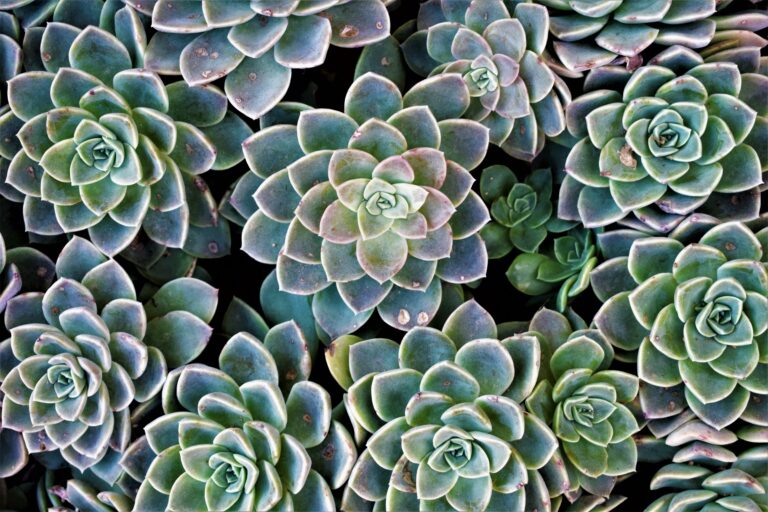
Echeveria
The most popular succulent for gifting. Echeveria form beautiful rosettes in shades of green, pink, purple, and blue. They love bright light and are incredibly low-maintenance.
Care: Bright indirect light. Water every 1–2 weeks. Let soil dry completely between waterings.
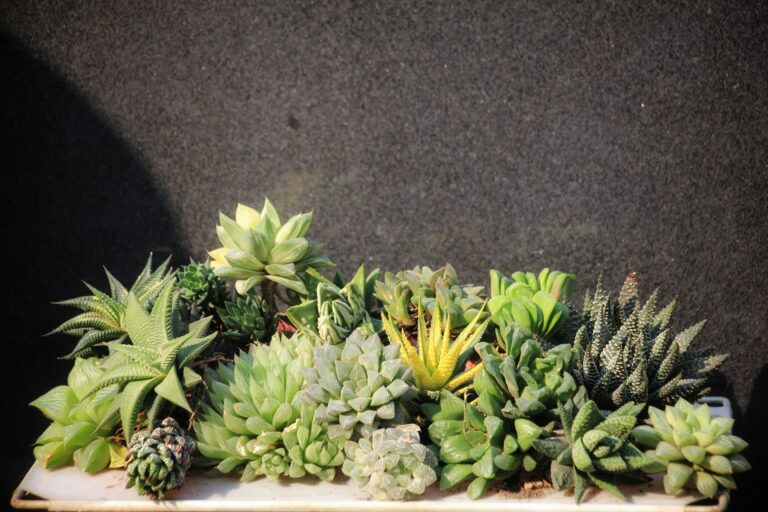
Haworthia
Haworthia is a large genus of small, slow-growing succulent plants native to South Africa, renowned for their striking architectural forms and remarkable resilience. Often referred to as "zebra plants" or "window succulents," these compact, rosette-forming plants are ideal for beginner plant parents, tabletop displays, and bright windowsills.
Care: Prefers bright, indirect light, but can tolerate some direct morning sun. Water sparingly. Allow the soil to dry completely between waterings.
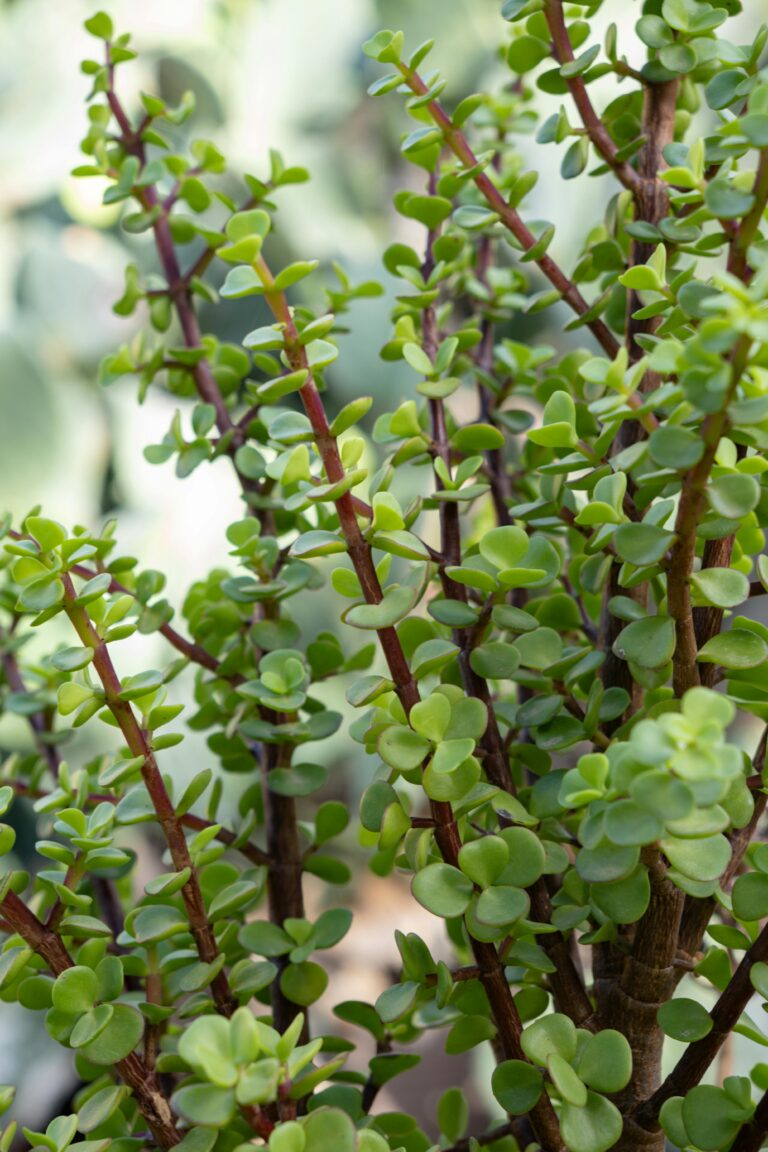
Crassula
Bring effortless style to your home or garden with Crassula. These drought-tolerant beauties, famously known as Jade Plants, are admired for their sculptural leaves, striking color variations, and, according to tradition, their ability to bring good luck and prosperity. Low water, high style!
Care: Thrives in bright, direct to partial sunlight. Allow the soil to dry out completely between waterings. Use the "soak and dry" method.
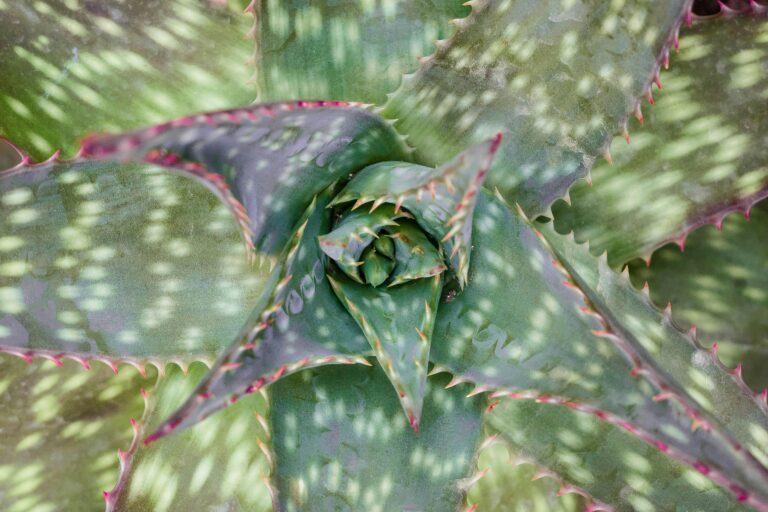
Aloe
Aloe is a diverse genus of over 500 species of succulent, flowering plants renowned for their striking architectural forms, resilience, and remarkable medicinal properties. Native primarily to Africa, Madagascar, and the Arabian Peninsula, these perennials are cherished by gardeners, homeowners, and health enthusiasts alike. Ranging from small, stemless miniatures (e.g., Aloe aristata) to tall, tree-like specimens (e.g., Aloidendron barberae), there is an aloe for every space.
Care: Prefers full, bright sunlight. Requires well-draining soil and drought-tolerant; water only when the soil is completely dry.
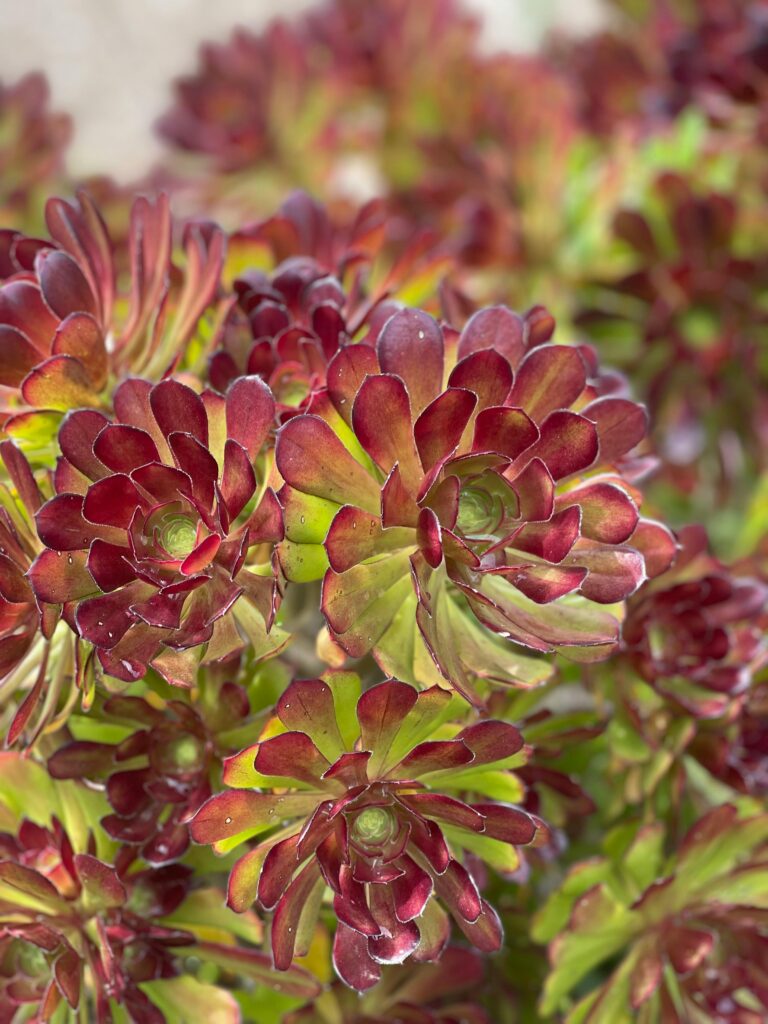
Aeonium
A stunning genus of succulent plants known for their large, flower-like rosettes. Often called "Tree Houseleeks," these evergreen beauties range from small, ground-hugging forms to shrub-like specimens that can reach several feet in height.
Care: They need bright light; if kept indoors, place them in a bright spot to prevent them from becoming "leggy". Unlike many succulents, Aeoniums appreciate regular watering during their active growth season (Autum to spring). In hot summers, they go dormant and require very little water.
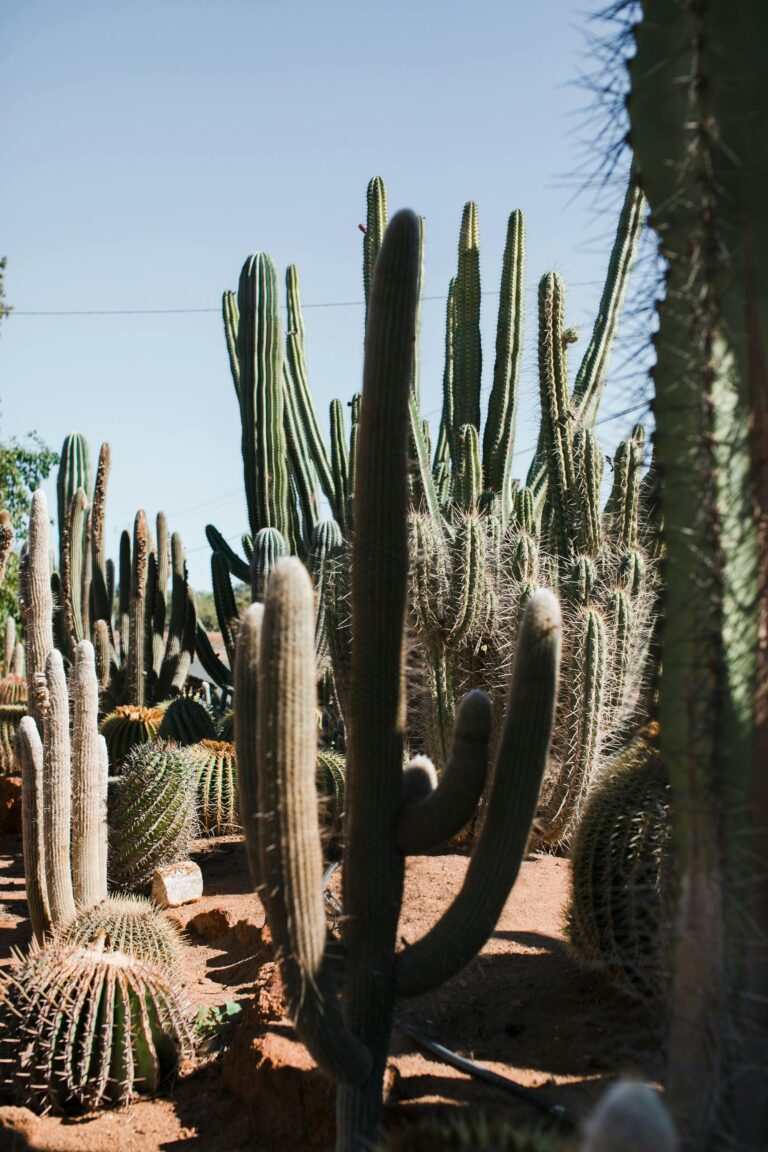
Cactus
Nature’s most resilient, sculptural, and fascinating wonders. Belonging to the Cactaceae plant family, these succulent perennials are native to the Americas, thriving in diverse environments from arid deserts to tropical forests. Known for their extraordinary ability to conserve water, cacti represent the ultimate example of desert survival and aesthetic endurance.
Care: Most cacti require bright, direct light, though some tropical varieties prefer bright, indirect light. Water deeply, but allow the soil to dry out completely between waterings to prevent root rot. They are highly drought-tolerant.
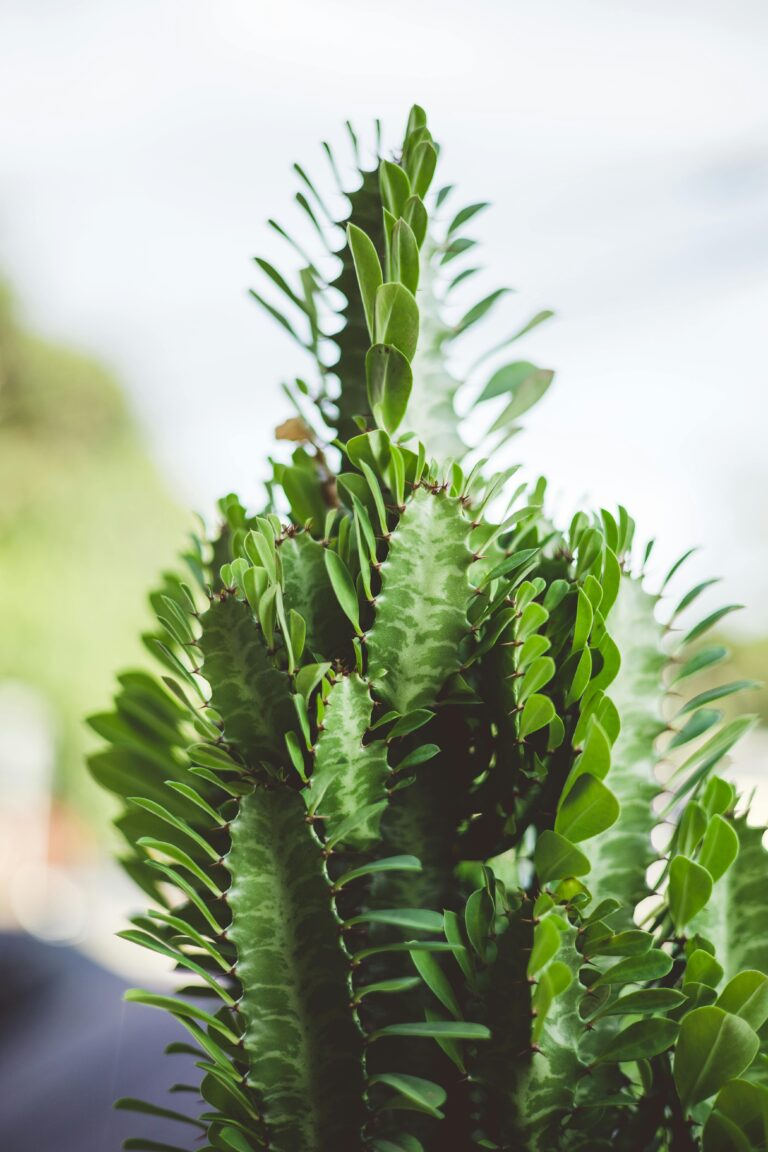
Euphorbia
The Euphorbia family (Euphorbiaceae) offers one of the most diverse, sculptural, and beginner-friendly groups of succulents available. While they often resemble cacti due to similar evolutionary adaptations to dry environments, they are a distinct genus known for their unique milky sap, fascinating structural forms, and incredible versatility, ranging from small, potted curiosities to majestic, tree-like specimens. Disclaimer: The white sap (latex) is irritating to the skin and toxic if ingested. Please handle with care.
Care: Thrives in full, direct sunlight, though many species prefer some protection from harsh midday sun in very hot climates. Needs well-drained, sandy soil. Water sparingly, allowing the soil to dry out completely between waterings, especially in winter.
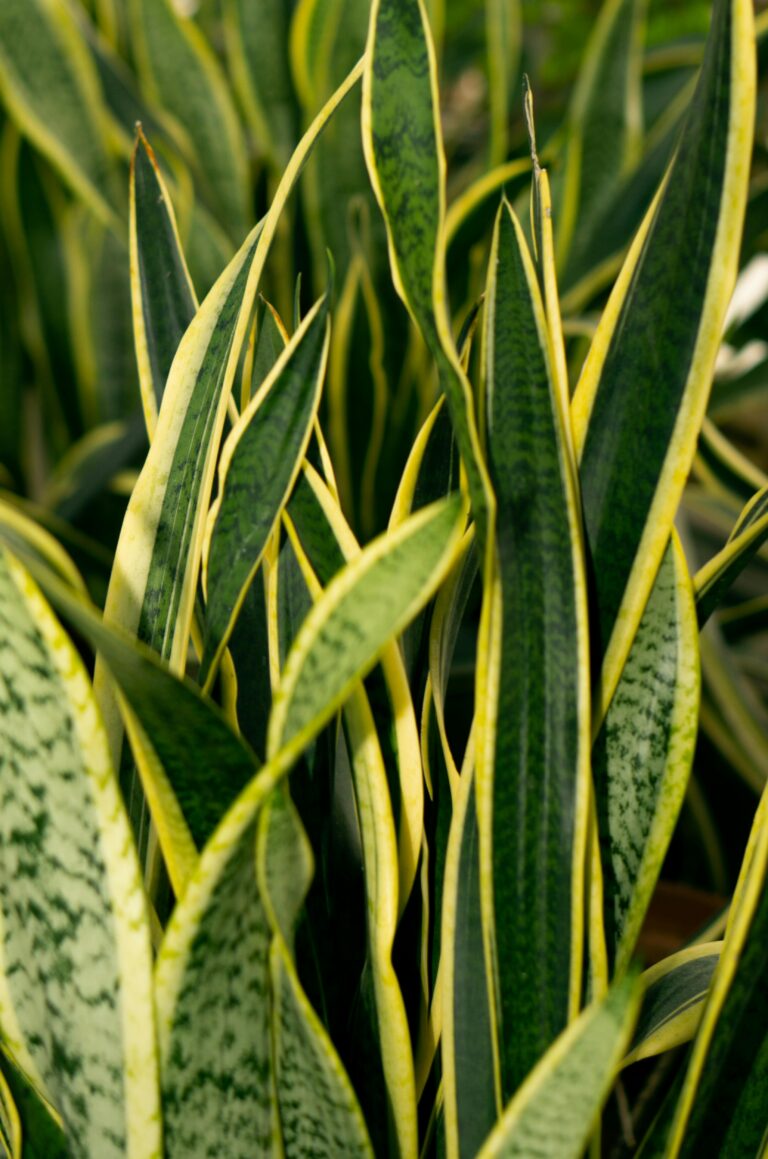
Sansevieria
Commonly known as Snake Plants or Mother-in-Law’s Tongue, the Sansevieria genus (recently reclassified as Dracaena) consists of hardy, succulent perennials native to Africa, Madagascar, and Southern Asia. Renowned for their architectural, sword-shaped leaves and extreme tolerance for neglect, these plants are the perfect choice for busy individuals, beginners, or modern minimalist styling.
Care: Thrives in bright, indirect light but adapts well to low-light corners. Avoid harsh, direct afternoon sun which can scorch the leaves. Less is more. Allow the soil to dry out completely between waterings. Over-watering is the main cause of root rot in these plants. Water roughly every 2-3 weeks, or less in winter.
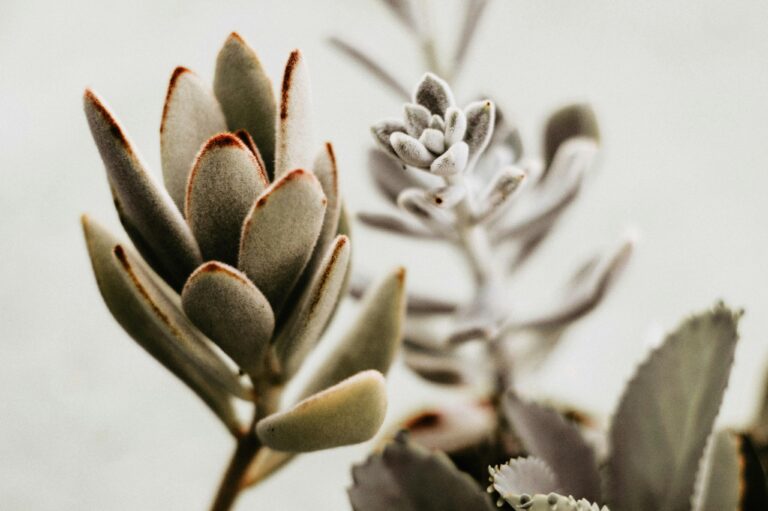
Kalanchoe
Often called the "Widow’s Thrill," Kalanchoe is a diverse and resilient genus of succulent plants within the Crassulaceae family. Native primarily to Madagascar and tropical Africa, these popular, low-maintenance plants are known for their thick, fleshy leaves and stunning, long-lasting clusters of blooms. Whether you are looking for vibrant flowers or unique foliage textures, Kalanchoes are the perfect addition to indoor potted gardens or warm-climate landscaping. Note: Some Kalanchoe species can be toxic to pets if ingested.
Care: Thrives in bright, indirect light, though many species can handle direct morning sun. Prefers the "soak and dry" method—water thoroughly, then let the soil dry out completely before watering again